

As Lynnwood continues to grapple with its housing crisis, the city staff has continued to move forward with the required update to the city’s critical area ordinance. The code is trying to centralize regulations while setting a clearer expectation for reasonable use exemptions and making it more consistent with neighboring cities in order to be more predictable for developers. There is slight pressure to updating this code because the city is currently out of compliance and it could impact its ability to qualify for grant funding.
The Planning Commission held a public hearing last week without a single comment; the members voted to recommend council adopt the new critical area ordinance. These updates to the ordinance will clarify what a qualified person when a reasonable use exemptions is requested, as well as ease the process for developers so that they’ll be better able to meet the needs of the site as determined by the qualified person and the hearing examiner. It will also keep Lynnwood closely aligned with the geologically and ecologically similar city of Mountlake Terrace that updated their code earlier in the year.
Mountlake Terrace and Lynnwood have elected to go with a 300 foot buffer around the majority of their critical areas to protect the ecological function without overburdening property owners. The other option would have been to go with site specific tree height guidance that would make it nearly impossible to develop on certain properties.
More news from the Lynnwood City Council’s July 20th, 2026 meeting
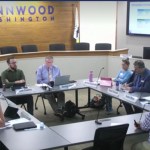
One of the major concerns that was heard from some of the stakeholders, primarily the master builders association, is the potential usage of tree height guidance; but those have been calmed by the city’s decision to go with buffers instead. City staff has also consulted with the Department of Natural Resources, Fish and Wildlife, and Ecology to ensure that the new ordinance is in compliance with the state while not impeding the development of new housing.
While it would be nice to have a more standardized template for which projects qualify for the reasonable use exemptions, the reality is that to ensure the ecosystem is protected a qualified wetland or stream biologist to better assess the realities of the site. After the site assessment is complete, the project will go to a hearing examiner to ensure that there is an independent party to judge if it qualifies for the exemption.
It was also pointed out that there has been some standardized rules that have been set out – for example a two-story house with a 600 square foot footprint, 1200 square feet total – into the ordinance update.
One of the concerns that was brought up in the council was the Housing Hope affordable housing project next to the Lynnwood City Center Transit Center. The project will daylight a stream and council member Derica Escamilla was concerned that the critical area ordinance could cause issues for the desperately needed affordable housing project. Because of the scope of the project, and the difference in day lighting a stream versus protecting an already protected one, there are exemptions that exist and will also be incorporated in the development agreement the council negotiates with the builder.
Editors note: daylighting is when a previously buried, piped, or paved stream or river is exposed and restored to its natural above ground condition
The council will conduct a public hearing on the proposed ordinance revisions at their next meeting on July 27th. After that, the city will have until August 10th to incorporate any public feed back received into the ordinance before the full council votes on it.
More from the Evergreen Post Intelligencer
- Sloppy defense doomed Cougars soccer to its first loss against Idaho since ’99

- Unincorporated Snohomish County to have $20 car tab in order to fund Public Works road repairs
- Lynnwood City Council approved the long-term water plan, critical area ordinance
- Snohomish County Council passed the 0.1% public safety sales tax
- LPD chief briefed the council on how the department will use the public safety grant, sales tax

- Union treasurer Burgess appointed to fill vacancy on Lynnwood PFD board

Discover more from Evergreen Post Intelligencer
Subscribe to get the latest posts sent to your email.
