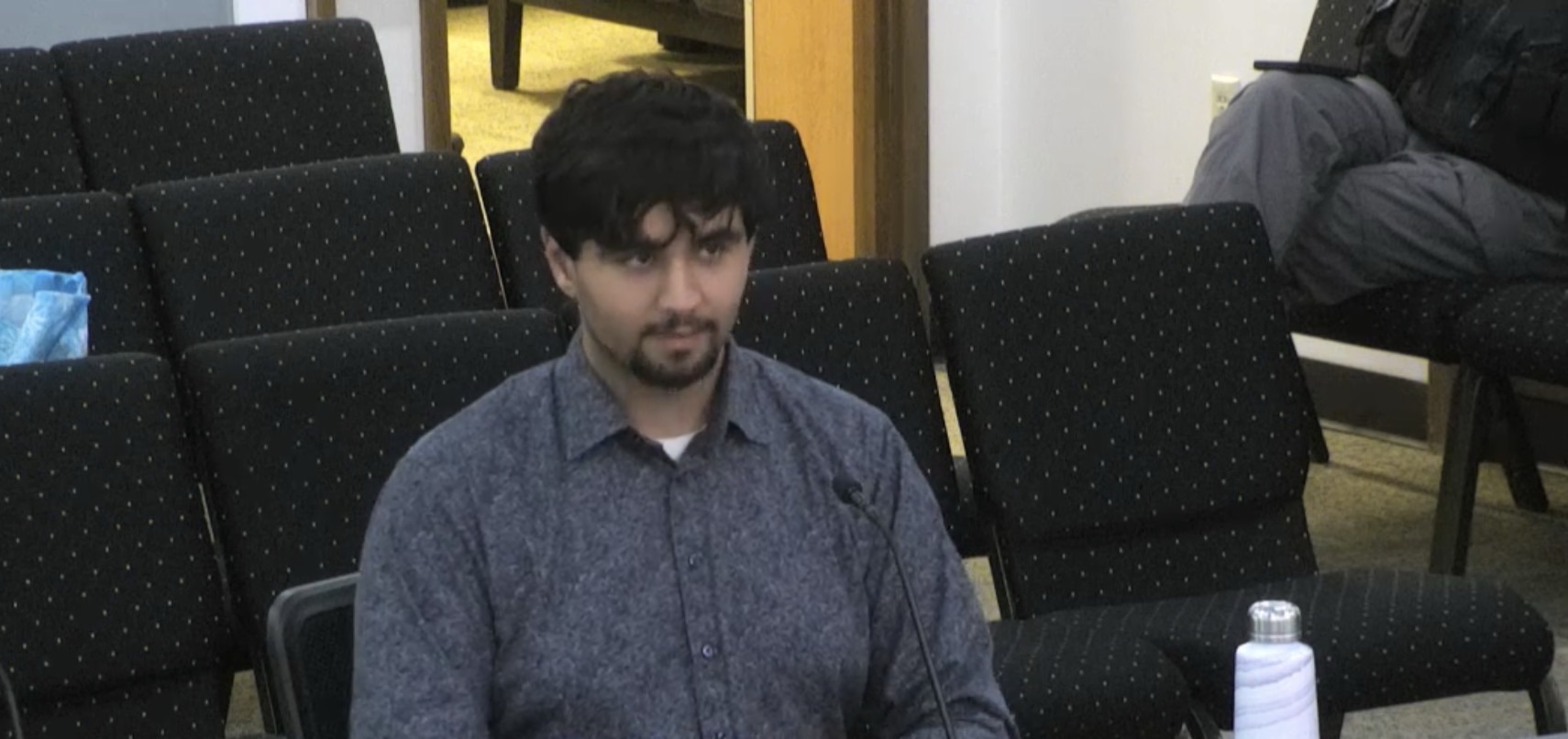

In order to protect the City of Lynnwood’s residents and workers from wage theft, the City Council received an update research conducted by the intern to the mayor, Isaiah Sinclaire. Council members responded positively to the suggestions of a fund for victims of wage theft and treble damages as tangible ways to protect workers while discouraging employers from stealing from their employees.
One of the ideas that Sinclaire brought forward to the council was the creation of a wage theft victims fund that would pay out the confirmed stolen wages or benefits to the employees/workers within the city limits, while recouping the cost (with potential damages on top) from the employer. The major benefit to this proposal is that it immediately get the worker righted financially while not crippling business owners with a sizable upfront payment. It was presented as an option similar to having the business and their victim locked into a long term payment plan; but it was highlighted how the fund would better benefit the victims.
Sinclaire also discussed treble (triple) damages for employees to not only ensure that the victims are made whole in the aftermath of the theft, but to also serve as a deterrent to business owners against committing larceny – in jurisdictions that have implemented treble damages, wage theft complaints have decreased roughly 43%. The victims fund, treble damages, and potentially limiting forced arbitration between employees and employers within the city limits.
Wage theft takes an estimated $128 million out of Washington State’s economy every year. This form of larceny is not just wages removed from the paycheck by the owner, it’s also withholding benefits or tips, forcing employees to skip their paid breaks or meals, nonpayment for completed work, overtime at normal rates, and delaying payments past payday.
More news from the Lynnwood City Council’s meeting on August 3rd, 2026
Currently, the major investigators are the Washington State Department of Labor and Industries, along with a task force in the Attorney General’s office, and the federal Department of Labor has a wages and hours team with only 611 investigators to cover the entire country. There isn’t enough funding with either investigative departments to handle the volume of wage theft complaints that are submitted. And the complaints that are submitted aren’t a full picture of how frequent wage theft occurs because the vast majority of victims don’t report the crime because they fear retaliation from their employers.
Retaliation takes many forms; some of them include (but are not limited to) reduced hours, wrongful termination, reduction of and workload/responsibilities.
The industries where wage theft is most common are construction, restaurants, and agriculture. These industries are the industries that typically hire immigrants, whether they’re documented or not, and they’re lower proficiency in English makes it easier for employers to steal money from them without them knowing it or not. Within city limits, Lynnwood primarily has construction and restaurants where this crime would occur.
It was pointed out that because it’s typically vulnerable populations – immigrants, persons of color, queer people, disabled persons, indigenous persons, etc. – the victims would be hesitant to go to the police if they were tasked with handling these investigations. Which means that it would be more effective if the city were to hire an investigator to help better protect its residents and workers; one suggestion that was brought up was maybe unifying code with the other cities and sharing the cost with other South Snohomish County cities to help protect the city’s workforce and its residents that work outside of city limits.
Another barrier in getting victims of wage theft to file a report is that there is currently no promise of anonymity throughout the complaint. Council member Bryce Owings stated that he’s submitted wage theft complaints to L&I multiple times and it takes months for them to get the complaint to an investigator, well after he’s moved onto other projects, and then they send a letter to the employer/business with the name of the worker who filed the complaint in it. This makes it ridiculously easy for employers to retaliate against the people they’ve already victimized.
During his presentation, Sinclaire stated that one of the things that can be done to help protect employees is to assume any negative action taken against the employee after a complaint was filed is retaliatory. But the presentation seemed to favor the idea of anonymity throughout the course of the investigation instead, along with enabling third party reporting of wage theft.
In Washington State, the only cities that have active wage theft ordinances are Seattle and Burien – Spokane appears to have repealed its law during recent restructuring of municipal ordinances. While Burien’s ordinance focuses on primarily on protecting minimum wage workers, Seattle’s Office of Labor Standards typically recovers $1.2 million in stolen wages on 621 complaints in 2025 – L&I recovered $1.9 million on 6900 complaints in that same time frame.
More from the Evergreen Post Intelligencer
- Lynnwood is exploring options to protect residents, workers from wage theft

- M’s trade for Ward will add walks to a line up that needs them

- Everett City Council addressed affordable housing plans

- New Pac 12 will provide a challenge for WSU volleyball

- It’s the guns

- Streamlining of Lynnwood’s Critical Area Ordinance will ease development process

Discover more from Evergreen Post Intelligencer
Subscribe to get the latest posts sent to your email.