
During the Lynnwood City Council’s June 9th business meeting the council members received a briefing on the Economic Development Infrastructure Fund (EDIF). This fund is essentially a savings account that allows the city to stash money when there are spikes in sales tax revenue that can be used for infrastructure and/or economic development projects. Reinstating this fund would would allow the city to fund desperately needed pedestrian and bicycle infrastructure improvements in a car oriented city.
EDIF previously worked so that when sales tax revenue from construction items sold within the city crossed the $1 million threshold, the additional tax revenue was diverted to the fund; just to be clear, this is not a new tax or a tax increase, the fund only gets money once the year-to-date tax revenue crosses the threshold the council determines. In the past, Lynnwood has used EDIF to fund staff work on park, road, and other infrastructure projects while waiting for state or federal funding to be approved. It makes sense for the fund to be reinstated so that desperately needed infrastructure improvements can be made.
As the city moves towards a more multi-modal transportation model it will require an extensive investment in pedestrian and protected bicycle infrastructure to ensure the safety of its residents.
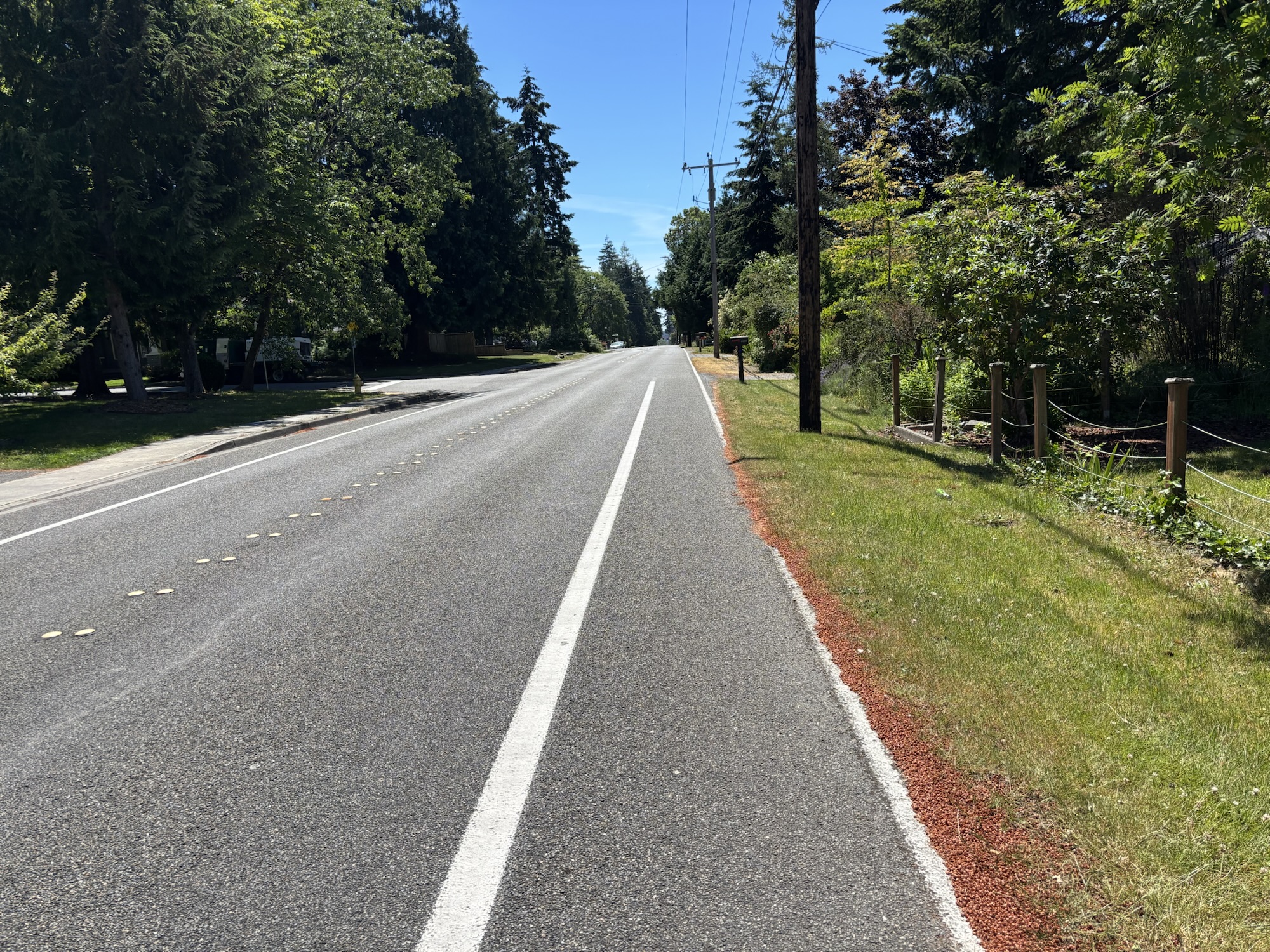
The city’s historically car oriented development has made it prohibitively expensive for the city government to retrofit in sidewalks and protected bike lanes needed to help the city reduce its traffic, carbon emissions, and roadway fatalities. There are stretches of streets that you walk along where there is no sidewalk unless there was a recent development as the city has required developers/builders to build out the new sidewalk infrastructure with their projects. A great example of this within the city is 40th Ave W (the cover photo) where there are few sidewalks and only painted bike lanes; with the new housing developments that have been built in the 20 years being where you see pedestrian infrastructure.
Another major risk factor for pedestrians in Lynnwood is the endless number of unmarked crosswalks that make it impossible for drivers to know when they have to cede the right of way to those on foot. To help provide a visualization, I spent Thursday afternoon walking around and taking pictures of the pedestrian and bicycle environment within the neighborhoods around City Hall.
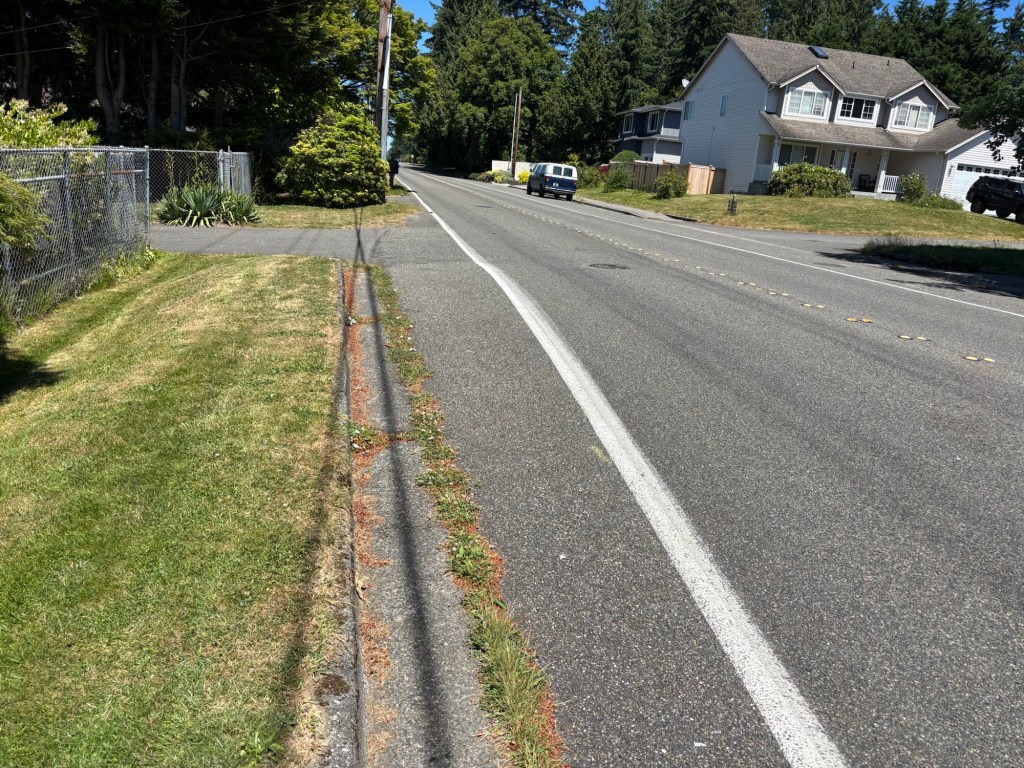

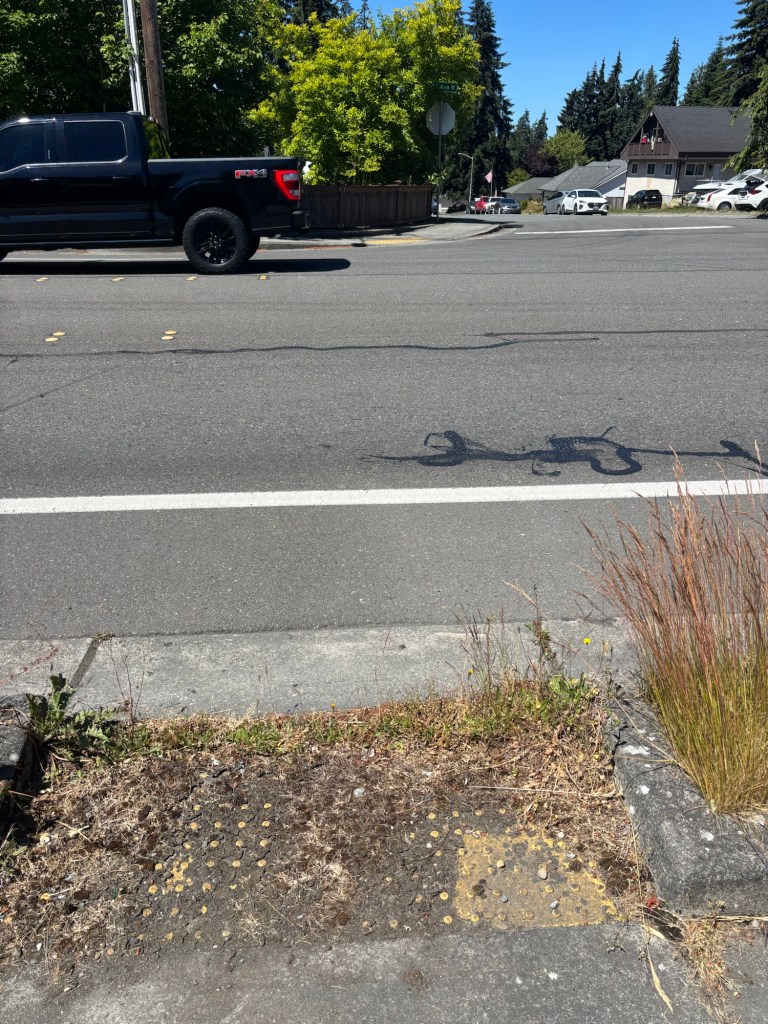

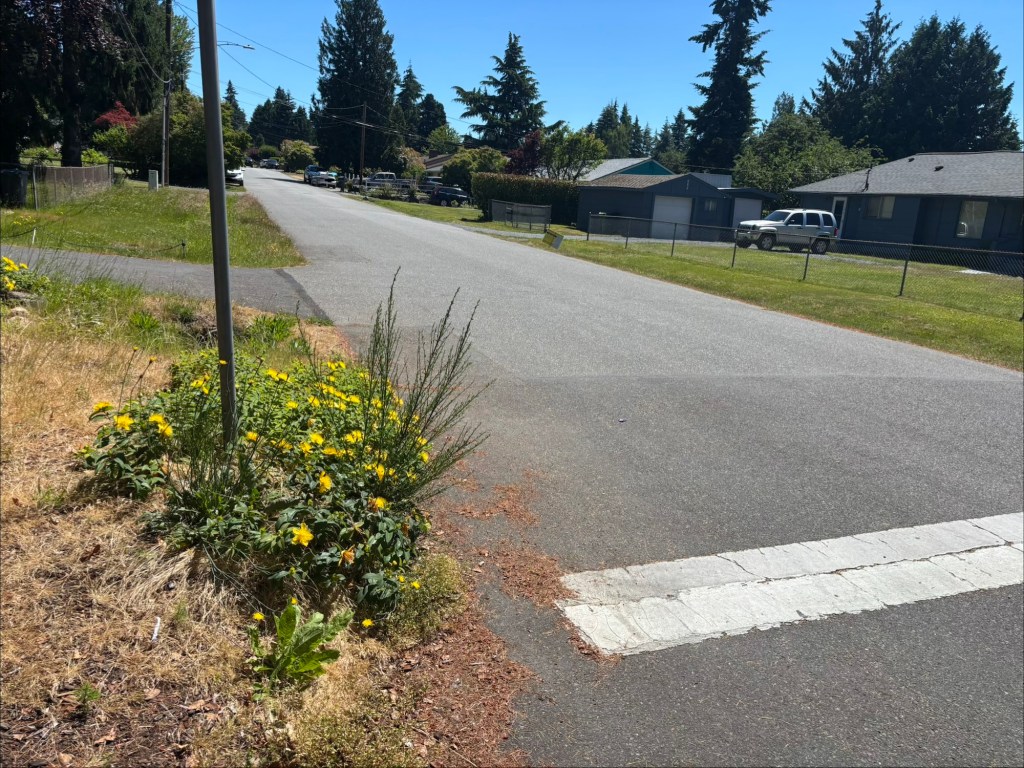
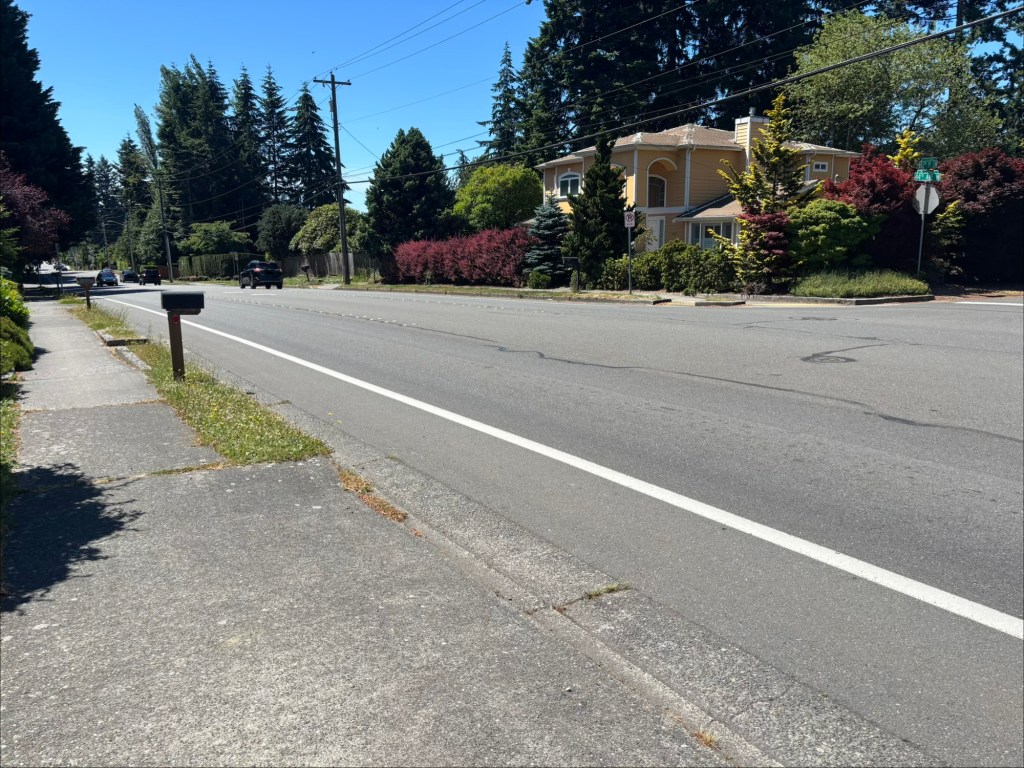

For these crosswalks, it would be relatively cheap to throw down paint and beg buttons – the buttons you so you can cross the street – with solar powered lights to increase pedestrian visibility. It would be a relatively quick investment in pedestrian safety, that could be started with the money still left in the fund from its initial run from 2015 to 2020.
Once the fund is restarted, city staff needs to start the permitting process for its ambitious Connect Lynnwood plan that will roll out one of the more aggressive protected bike lane networks in Snohomish County once its funded. As the city grows, it will be critical to prioritize protecting bicyclist in order to manage the growth of car traffic on its already stressed roads while new apartments rise. The more Lynnwood invest in pedestrians and bicyclilst, the more affordable the city will be; ever since I ditched my car, I’m saving roughly $500 a month…even after I account for the increase in my expenditures of bus fares.
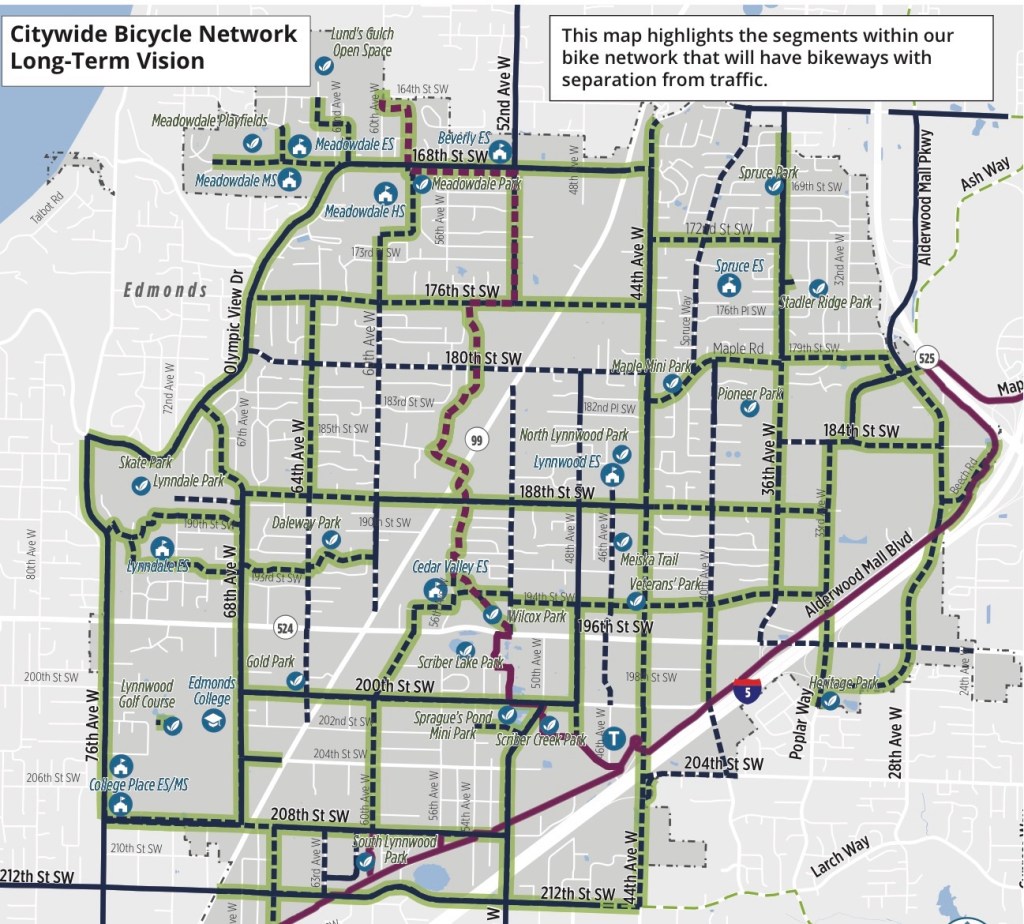
EDIF is the quickest, and most effective, way for the city council to fund the construction of this proposed bike network. This bike network will not only make it cheaper for the current residents of Lynnwood to get around, it will also make it easier for developers to build new mixed-use apartments with less parking; and less parking means that they have to take on less debt to build the projects, which means they’ll need to charge less in rent to cover their loan payments.
Lynnwood has done a lot right to plan for the future. Back in 2005 the city government upzoned its city center core to 350 feet, they prioritized investing in bus lanes on Highway 99 and 196th Street SW, massively reduced parking minimums in the summer of 2025, and developed an ambitious bike network; now it’s time for the council to reinstate EDIF to fund the projects that will help the induce the redevelopment that has been planned for.
More from the Evergreen Post Intelligencer
- Sloppy defense doomed Cougars soccer to its first loss against Idaho since ’99

- Unincorporated Snohomish County to have $20 car tab in order to fund Public Works road repairs
- Lynnwood City Council approved the long-term water plan, critical area ordinance
- Snohomish County Council passed the 0.1% public safety sales tax
- LPD chief briefed the council on how the department will use the public safety grant, sales tax

- Union treasurer Burgess appointed to fill vacancy on Lynnwood PFD board

Discover more from Evergreen Post Intelligencer
Subscribe to get the latest posts sent to your email.
