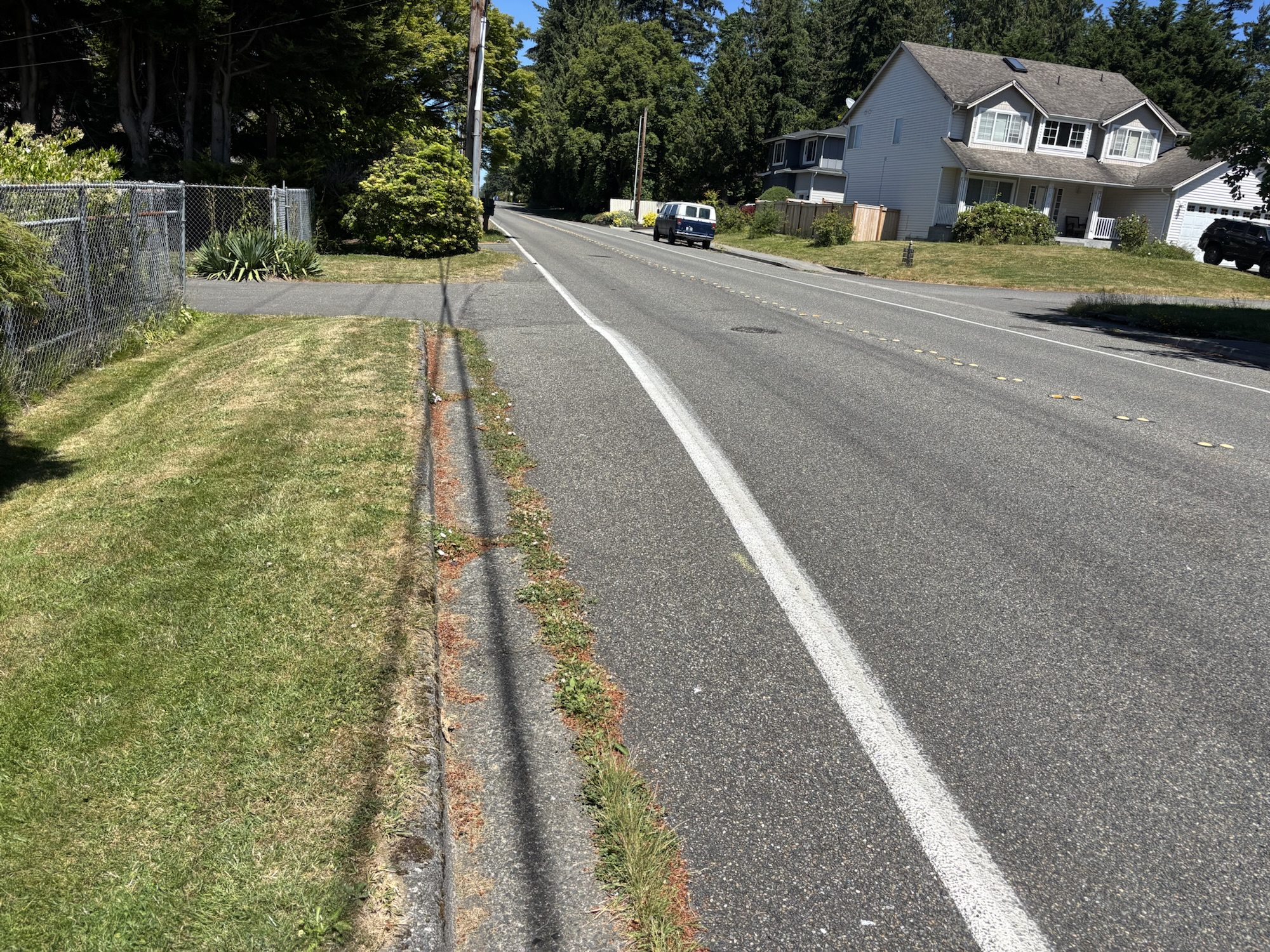

Council member Robert Leutwyler’s draft Vision Zero resolution is going to be rewritten to remove the action plan due to constraints on the city’s staff as a result of the budget deficit. It was decided that the decision to add further demands on staff time while they’re working to cut spending, while simultaneously planning out the next bi-annual budget, would put further strain on the departments; especially since a lot of the design changes involved in vision zero are already planned for in Lynnwood.
The city staff is currently struggling to meet the existing mandates from the council as a result of the cuts that have been handed down to try and get the budget deficit under control. Assistant city administrator Monisha Harrell stated that there was a lot of tension from staff at the idea of having another mandate added to their workload at the same time. Especially since the city currently has five projects from its Connect Lynnwood plan at various stages in the development process and those projects already address many of the goals that are assessed in Vision Zero.
Vision Zero is a non-profit campaign that advocates for safer road designs that reduce vehicle speeds while prioritizing pedestrian and bicycle safety through protected infrastructure. The goal is to make the infrastructure more resilient to the inevitable human error that will occur behind the wheel of a vehicle.
More news from the Lynnwood City Council meeting on July 15th, 2026

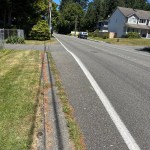
Connect Lynnwood already addresses a lot of those same goals by finally installing protected bike lanes to the city’s busiest streets while also completing the sidewalk network. With five of these projects already in the pipe line, the city needs to find the funding for the remaining 9.5 projects that remain unfunded. But it will be important for the council to earmark funding for these projects in such a way so that it would require additional approvals before it is spent. This way this council can safeguard funds that were earmarked for one project being diverted to another project; for example, $500,000 were earmarked for bike lanes in the city, but were diverted to the Poplar Way bridge because of its multi-modal elements.
The diversion of those funds to the Poplar Way bridge is an example of how past city councils have managed priorities and the long term impacts those have. As this council moves forward into the next budget cycle the elected officials are going to need to weigh whether or not they want to prioritize funding for pedestrian and bicycle infrastructure that is laid out in Connect Lynnwood.
Because the main priority from the legislative body has been the budget deficit, Harrell discussed the pressures that has placed on staff as they try to meet the financial needs of already existing mandates against the existing budget deficits without adding another mandate to their plate. Because of this pressures, there is a feeling among staff that the council doesn’t fully understand the work being done to find cuts to their budget as a result of the deficit. The council requested additional context on what the staff is “living and breathing with” during the September 8th budget summit to help them better understand the impacts of the cuts.
Another bit of push back against the resolution was that there are allegedly not the kind of structural issues within Lynnwood that make the city a good candidate for Vision Zero. Of the last 10.5 years, seven of them have not involved fatal crashes within the city limits; and those fatal crashes that occurred were primarily caused by driver behavior (distracted drivers, speeding, and impaired driving).
Leutwyler response to that information was to ask how many bicycle or walking trips are not happening because people judge Lynnwood to be too dangerous to walk or bike in. There was no information provided as to whether or not the city had the data to answer his question.
More from the Evergreen Post Intelligencer
- Sloppy defense doomed Cougars soccer to its first loss against Idaho since ’99

- Unincorporated Snohomish County to have $20 car tab in order to fund Public Works road repairs
- Lynnwood City Council approved the long-term water plan, critical area ordinance
- Snohomish County Council passed the 0.1% public safety sales tax
- LPD chief briefed the council on how the department will use the public safety grant, sales tax

- Union treasurer Burgess appointed to fill vacancy on Lynnwood PFD board
Discover more from Evergreen Post Intelligencer
Subscribe to get the latest posts sent to your email.
